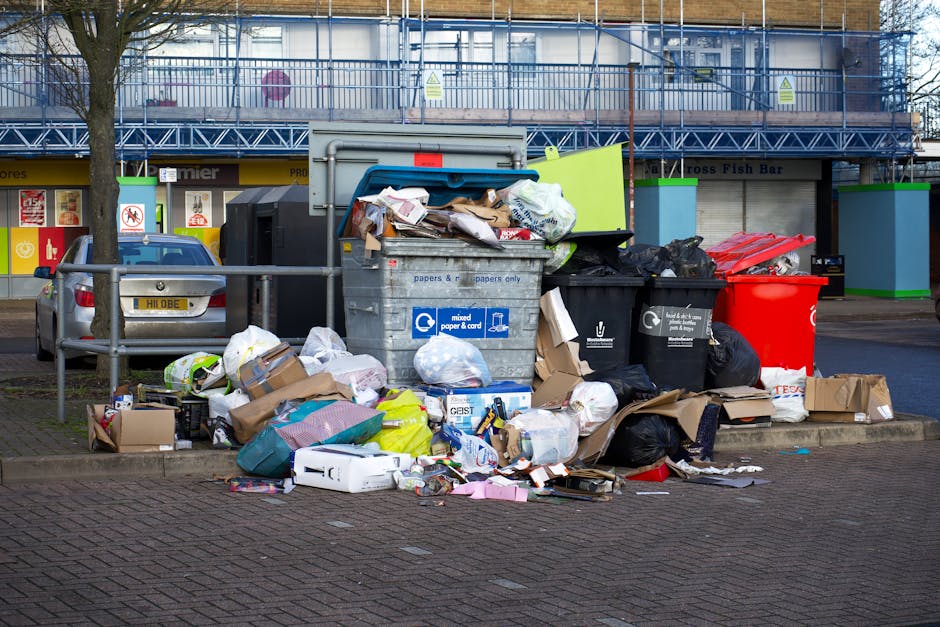
Wimbledon Common: Best Rubbish Drop-Off Options in Merton
Posted on 27/04/2026
Finding the right place to dispose of waste around Wimbledon Common can be surprisingly tricky. You may be clearing a garden after a weekend project, dealing with household clutter, or trying to shift a small load of bulky items without booking a full collection. In that moment, the difference between a smooth drop-off and a wasted trip usually comes down to knowing which option fits your rubbish, your vehicle, and your schedule.
This guide breaks down the most practical rubbish drop-off choices for people in and around Wimbledon Common, with a clear focus on Merton residents and the realities of local waste disposal. You will find straightforward advice on what to take, what to avoid, how to prepare your load, and how to choose the most efficient route. A neat home is one thing; a neat waste plan is another. Truth be told, it saves time, money, and a fair bit of frustration.
If you are comparing disposal routes and also planning a wider home refresh, you may find it useful to browse categories like flowers for any occasion, budget-friendly flowers, or same-day delivery options for those moments when you want something delivered without extra effort.
Why Wimbledon Common Rubbish Drop-Off Matters
Wimbledon Common sits within a busy part of southwest London where homes, gardens, rentals, and small businesses all generate waste at different speeds. Some people only need to get rid of one broken item. Others are dealing with a full car boot after a loft clear-out, a garden tidy, or a renovation project that generated more rubble than expected.
Rubbish drop-off matters because the wrong choice can create avoidable costs and delays. A trip to the wrong facility, a load that is not sorted properly, or arriving with restricted materials can turn a simple task into a wasted morning. On the other hand, the right drop-off option can be quick, predictable, and far less stressful than leaving everything for another day.
There is also a local environmental angle. Good disposal habits reduce fly-tipping risk, cut down on roadside dumping, and help keep the green spaces around Merton and Wimbledon Common in better shape. That matters whether you are clearing household waste or handling more awkward items like broken furniture, garden cuttings, or mixed junk from a move.
For many readers, the real question is not simply where can I tip rubbish? It is: which option gives me the easiest legal, efficient, and sensible way to dispose of this specific load?
That is the lens used throughout this article.
How Wimbledon Common: Best Rubbish Drop-Off Options in Merton Works
At a practical level, rubbish drop-off means you transport waste yourself to an authorised place rather than paying for a collection service. Depending on the type of waste, you may be using a local council facility, a borough-approved reuse channel, a private waste site, or a specialist disposal route for items that need extra handling.
The best option depends on four main factors:
- Waste type: general rubbish, garden waste, wood, metals, electricals, rubble, or hazardous items all follow different rules.
- Volume: a few bags is very different from a van load.
- Transport: not every site is ideal for large vehicles, and some loads are easier in a hatchback than a van.
- Speed: some people need the fastest possible drop-off; others care more about cost or convenience.
In practice, the process usually looks like this:
- Sort the waste into clear categories.
- Check whether the item can be reused, recycled, or needs disposal.
- Confirm the site accepts your type of waste.
- Pack the load safely so it does not spill in transit.
- Take proof of residence or ID if required by the site.
- Follow on-site instructions and separate materials where asked.
That last step is often underestimated. A lot of waste sites are designed to keep traffic moving, not to act as a guessing game. If you arrive organised, the whole job feels much easier.
For readers planning a wider household refresh, local lifestyle upgrades can be coordinated with other needs too. For example, if you are marking a clean-up with a small gesture, the best-selling flower arrangements or premium flower selections can be a simple add-on for a home reset, while new home flowers are handy after a move or declutter.
Key Benefits and Practical Advantages
Choosing the right rubbish drop-off option around Wimbledon Common offers more than just a clean van or empty bin bags. Done well, it solves several small problems at once.
- It can be cheaper than full collection: especially for smaller loads or one-off clear-outs.
- It gives you control: you choose when to go and how to sort the waste.
- It can reduce household clutter quickly: useful if you are moving, decorating, or making room for guests.
- It supports recycling: authorised sites usually separate recyclable materials more effectively than general disposal.
- It is often flexible: you can handle the job in stages rather than waiting for a pickup slot.
There is also a practical peace-of-mind benefit. When waste is taken to the right place, you do not have to worry whether the items will be dumped somewhere unsuitable or whether the load was handled correctly. That matters for confidence as much as convenience.
And if you are clearing a property for a specific occasion, a tidy handover can be paired with a thoughtful finish. Small touches like thank-you flowers, sympathy arrangements, or congratulations gifts can help round off the moment, whether it is a house move, farewell, or fresh start.
Who This Is For and When It Makes Sense
This kind of rubbish drop-off guidance is most useful for people who have more waste than a normal bin day can handle, but not necessarily enough to justify a full-scale contractor. That includes:
- homeowners clearing lofts, sheds, garages, or spare rooms
- tenants moving in or out of properties near Wimbledon Common
- garden owners dealing with cuttings, soil, branches, or broken planters
- people replacing furniture or appliances
- DIYers who need to dispose of packaging, timber offcuts, or minor rubble
- families managing a seasonal clear-out
- small offices or home-based businesses with limited waste
It makes sense when your load is awkward enough to require effort, but still manageable to move yourself. If you can safely load it, transport it, and unload it without specialist equipment, drop-off is often the most practical route.
It is less suitable when the waste is extremely heavy, contaminated, dangerous, or mixed in a way that makes sorting impractical. In those situations, a specialist collection may be the smarter option. There is no prize for wrestling a broken wardrobe into your car if it creates more trouble than it solves.
As a rule of thumb, if you are asking whether the job is "small enough to manage, but big enough to be annoying," you are probably in the right territory for a drop-off solution.
Step-by-Step Guidance
Here is a simple, repeatable process for handling rubbish drop-off efficiently.
1. Identify your waste type
Start by separating general household rubbish from recyclable material, garden waste, electrical items, and anything potentially hazardous. A clean sort at home reduces confusion later.
2. Measure the load honestly
People often underestimate volume. Two bags in the hallway somehow become six bags once you start moving. Check whether your car boot, back seats, or van space can hold everything safely without blocking visibility.
3. Check site rules before you leave
Different disposal points may have restrictions on materials, vehicle access, opening hours, ID checks, or residency rules. This is one of the easiest ways to avoid a wasted journey.
4. Pack the load safely
Use sturdy bags, tie loose items, and keep sharp or dusty objects contained. If you are carrying glass, rubble, or broken items, wrap or box them to prevent accidents.
5. Separate items in the vehicle
If the site asks for mixed loads to be separated, make that easier on yourself by stacking categories together in advance. For example, keep cardboard, garden waste, and general rubbish in clearly different sections of the boot.
6. Arrive ready to unload quickly
Keep your ID, payment method, or proof of address handy if needed. Sites run more smoothly when drivers are prepared, and you will usually be in and out far faster.
7. Re-check the site's instructions on arrival
Even if you have been before, site layouts and rules can change. Follow signs and staff guidance carefully. It keeps the queue moving and helps you avoid fines or refusals.
One small but useful tip: put the items you will unload first nearest the tailgate or boot opening. It sounds obvious, but in the middle of a busy run it saves a lot of awkward lifting.
Expert Tips for Better Results
If you want a smoother drop-off experience, these practical habits make a noticeable difference.
- Sort before you stack: keep categories separate from the start, not at the site.
- Use clear bags where possible: they make inspection and unloading easier.
- Avoid overfilling bags: they split at the worst possible moment, usually when you are carrying them down steps.
- Protect your car interior: use a tarp or old sheet for dusty or muddy waste.
- Plan for traffic: around Wimbledon and Merton, timing matters more than people think.
- Keep a backup option: if one site is busy or unsuitable, know the next best route.
Another worthwhile habit is to keep a "future waste" box at home. That is simply a box or tub for batteries, cables, broken household items, and small bits that accumulate over time. By the time you need a drop-off, the sorting work is already half done.
If you are refreshing a room after a clear-out, you might also want to browse white flower arrangements for a clean, calm finish, mixed-colour bouquets for a more lively feel, or soft pink arrangements if you want something welcoming rather than formal.

Common Mistakes to Avoid
Most rubbish drop-off problems are predictable. The good news is that they are also avoidable.
- Arriving with unsorted mixed waste: this slows everything down and can lead to rejection.
- Assuming every site takes everything: some materials need specialist handling.
- Forgetting proof of residence or ID: if required, that can stop the trip before it starts.
- Using a vehicle that is too small: multiple trips cost more time and fuel than people expect.
- Ignoring opening hours: a late arrival can mean a closed gate and a very unimpressed driver.
- Putting unsafe items loose in the car: sharp edges, dust, and unstable loads create obvious risk.
- Confusing recycling and disposal rules: some items look similar but follow different routes.
The most expensive mistake is usually not the fee itself; it is the second trip. Once you have made one unnecessary round journey, the whole task feels heavier than it should.
Tools, Resources and Recommendations
You do not need much equipment, but the right few items make a big difference:
- heavy-duty rubble sacks for dense or messy waste
- storage boxes or crates for recyclable items and awkward small objects
- work gloves for handling sharp or dirty materials
- dust sheets or tarps to protect your vehicle
- labels or marker pens to mark waste categories
- ratchet straps or bungee cords to secure larger items
As for resources, your first stop should normally be the relevant local council guidance and the rules of the specific waste site you plan to use. That is the safest way to confirm accepted materials, eligibility, and hours. If you are dealing with a bulky item, it is also worth checking whether it can be reused or passed on before disposal. Reuse is often overlooked because people are in a hurry, but it can save both money and hassle.
For households in the middle of a life event, a coordinated approach works best. For example, if you are moving home, pairing waste disposal with a fresh look at flowers in a vase or florist choice arrangements can be a small but nice way to reset the space without adding extra admin.
Law, Compliance, Standards, or Best Practice
Waste disposal in the UK is one area where common sense and compliance should go hand in hand. You should only use authorised sites and licensed waste operators. Handing waste to an unverified carrier may feel convenient in the moment, but it can create serious problems if the material is fly-tipped or handled badly.
Best practice usually includes the following:
- Check that the site is authorised for the type of waste you are taking.
- Keep records or receipts where appropriate, especially for business waste.
- Do not assume items are recyclable without checking local guidance.
- Separate hazardous items such as chemicals, oils, batteries, or electricals in line with site instructions.
- Use proper restraint in transit so waste does not create a road hazard.
If you are dealing with waste from a business, the standards are usually stricter than for household rubbish. Keep documentation, use approved carriers, and make sure you understand your duty of care. That duty is basically the legal and practical principle that waste must be passed on responsibly. It is not glamorous, but it is important.
When the situation is uncertain, the safest approach is simple: check first, then move. Guessing is a poor waste strategy, and to be fair it is rarely a good one in any other area either.
Options, Methods, or Comparison Table
Here is a practical comparison of common rubbish drop-off approaches for people near Wimbledon Common.
| Option | Best for | Pros | Watch out for |
|---|---|---|---|
| Local council drop-off point | Household waste, garden waste, recyclable items | Usually clear rules, familiar process, good for small to medium loads | Residency checks, restricted materials, limited hours |
| Private waste facility | Mixed loads, heavier items, flexible timing | Can be efficient and vehicle-friendly | Pricing and acceptance rules vary widely |
| Specialist disposal route | Electricals, hazardous items, awkward waste | Safer handling and better compliance | May require advance booking or extra preparation |
| Reuse or donation route | Usable furniture, household items, decor | Reduces waste and may help others | Items must be in genuinely usable condition |
The best choice depends less on theory and more on what is in your car today. A small load of garden clippings, for example, deserves a different plan from a set of broken shelves mixed with old paint tins and packaging.
Case Study or Real-World Example
Imagine a Wimbledon Common resident who has spent Saturday morning clearing a garden shed. They end up with a pile of old plant pots, broken tools, stripped timber, a few bags of soil, and some general rubbish. Nothing is dangerous, but it is messy and awkward enough that it will not fit into normal bins.
The most efficient approach is to sort the load before leaving home:
- garden waste in one section
- wood and timber in another
- general rubbish bagged separately
- metal tools or fixtures grouped apart if recyclable
After checking site rules and opening hours, they load the car in reverse order of unloading so the heaviest items are easiest to remove first. On arrival, the drop-off is quicker because there is no sorting chaos at the gate. The whole job takes one trip, not three.
That is the real value of good preparation. The waste has not changed, but the experience certainly has.
A similar idea applies to a home clear-out after a life event. Once the practical jobs are done, a few thoughtful details can make the space feel settled again. If that is relevant, you can explore sympathy flowers, funeral arrangements, or thinking of you gifts as part of a more considered reset.
Practical Checklist
Use this checklist before you leave for a rubbish drop-off trip.
- Have I identified the waste type correctly?
- Have I separated recyclable, general, and specialist items?
- Have I checked opening hours and access rules?
- Do I have proof of address or ID if needed?
- Is the load safely packed and tied down?
- Have I protected the vehicle interior?
- Do I know where the site is and how to get there?
- Do I have a backup option if the first site is busy?
- Have I removed anything that needs special handling?
- Am I confident the load fits safely and legally?
If you can tick those boxes, you are already ahead of most people doing this in a hurry.
Conclusion
The best rubbish drop-off option near Wimbledon Common is not always the closest one. It is the one that fits your waste type, your vehicle, and the time you have available. For Merton residents, that means taking a little time to sort the load properly, checking site requirements in advance, and choosing the route that avoids repeat journeys and unnecessary stress.
If you remember only one thing, make it this: good waste disposal is mostly planning, not lifting. Once you know what you are taking, where it is accepted, and how the trip will work, the rest becomes much easier.
Whether you are clearing a garden, emptying a loft, or handling a one-off household refresh, a sensible drop-off plan will save time and keep your project moving. And if your home reset includes a bit of personal finishing touch, a well-chosen bouquet from the right category can complement the clean-up nicely.
Get a free quote today and see how much you can save.